We’ve all been there. The game ends, the car door slams, and before you’ve even pulled out of the parking lot, the deluge begins. “The coach kept yelling at me.” “Coach never plays me.” “The turf was too slippery.” “The Ref hated us.”
It’s tempting to either shut it down immediately or join in on the venting. But if we want to raise resilient athletes (and keep our own sanity), we need a better playbook. Whether you’re wearing the whistle or driving the minivan, here’s how to handle the “complaint department.”
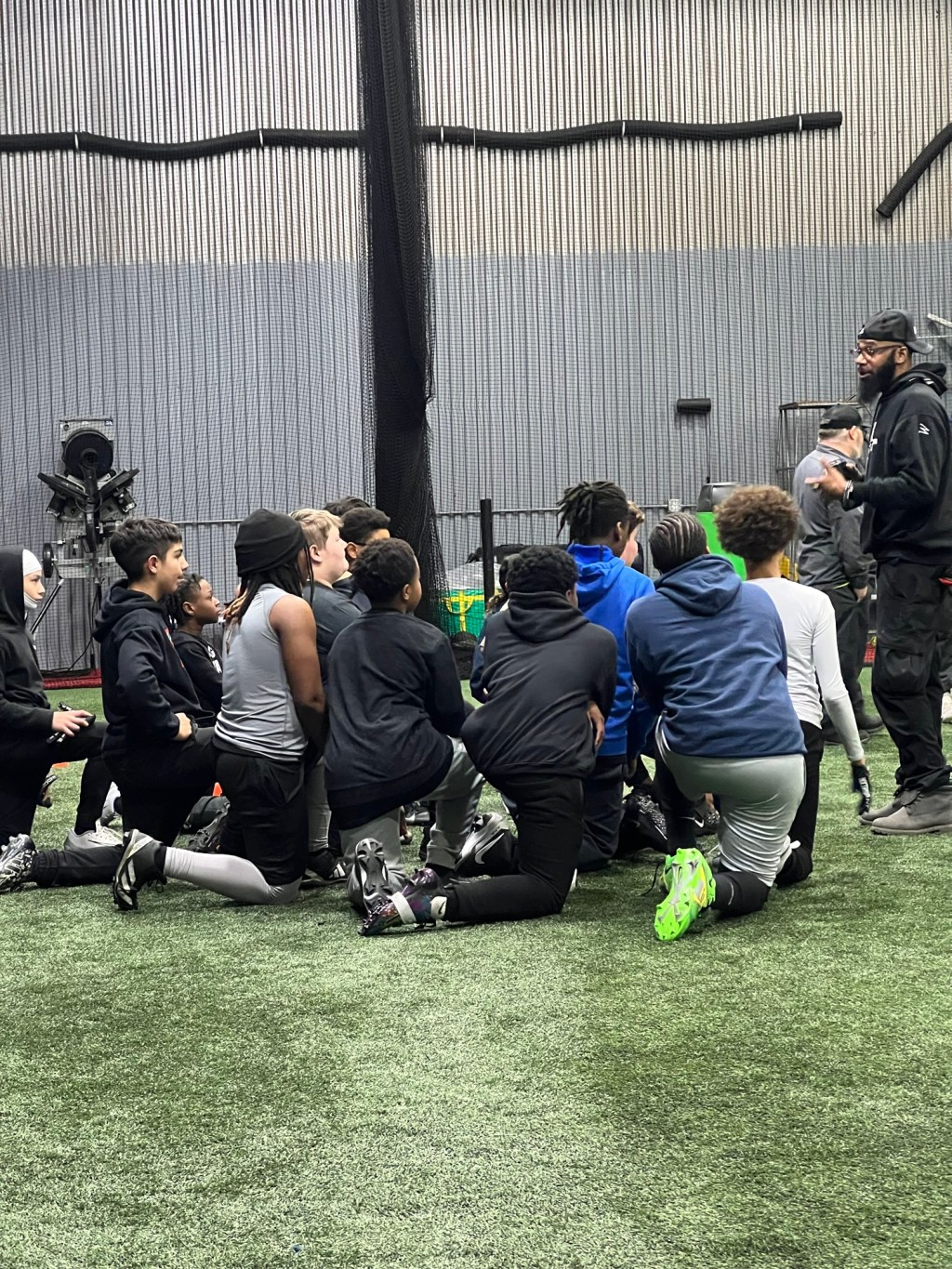
For the Coaches: Building a “Solution-First” Culture
Complaining in a team setting is like a virus. If you don’t contain it, it spreads quickly. It kills morale.
- The 24-Hour Rule: Establish a policy where players (and parents) must wait 24 hours after a game before discussing grievances. This allows emotions to cool and logic to return.
- “What’s the Adjustment?”: When a player complains about a situation—say, a tough opponent—pivot them immediately. Ask: “I hear you’re frustrated. What’s one technical adjustment you can make next time to counter that?”
- Define “Productive Communication”: Teach athletes the difference between venting (aimless noise) and advocating (asking for what they need to succeed). Encourage them to come to your coaching staff with a specific question, not a general gripe.
For the Parents: The Art of the Active Listen
As a parent, your job isn’t to fix the problem. You don’t need to agree with the complaint either. Instead, your role is to be the “emotional shock absorber.”
- The “Validation Without Agreement” Strategy: You can acknowledge their feelings without validating their excuses. Athlete: “The coach is so unfair, he benched me for no reason!” Parent: “It sounds like you’re really frustrated and disappointed that you didn’t get more playing time today.”(Notice you didn’t agree the coach was unfair—you just acknowledged they are upset.)
- Mirror the Effort, Not the Outcome: If they’re complaining about a loss, shift the focus. Highlight a specific moment where they showed grit. “I saw how hard you sprinted to get back on defense in the fourth quarter. That was impressive.”
- The Magic Question: When the complaining becomes a loop, ask: “Do you want me to listen? Or do you want me to help you brainstorm a solution?” Usually, they just want to be heard.
When to Dig Deeper
Not all complaining is created equal. It’s important to distinguish between “venting after a hard day” and “genuine distress.”
| The “Normal” Vent | The Red Flag |
| Happens mostly after losses or tough drills. | Happens before practice, during dinner, and all weekend. |
| The athlete still enjoys the social aspect of the team. | They start withdrawing from teammates or dreading the sport. |
| Focused on specific incidents (a bad call, a missed shot). | Focused on personal attacks or a total loss of interest. |
The Bottom Line
Sports are designed to be hard. They are a laboratory for dealing with unfairness, physical exhaustion, and ego bruises. When we allow athletes to sit in their complaints, we rob them of the chance to develop agency.
The goal isn’t to stop the complaining entirely—it’s to turn that noise into a signal for growth.
At 4TL, our coaches are here to help athletes push their limits and grow. It’s never easy but it’s always worth it in the end!
 Home | 4TL Football
Leave a comment