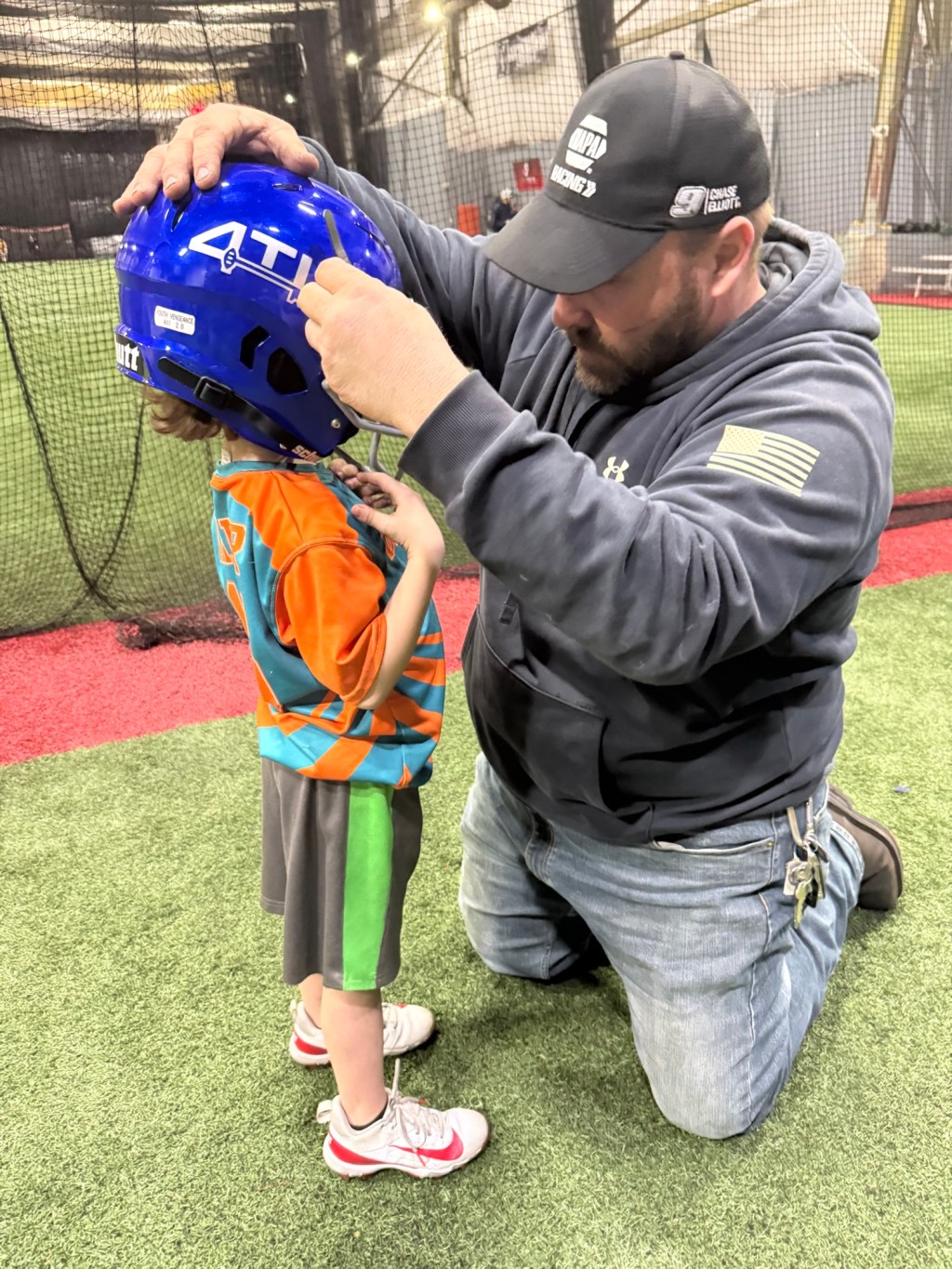
There’s a specific sound every football parent remembers: that first “clack” of plastic meeting plastic. It’s the sound of your child leveling up from flag football or shorts-and-shirts drills to full tackle gear.
It’s an exciting milestone. Let’s be real—it’s also the moment the “Safety Parent” sirens start going off in your head. Seeing your kid under ten pounds of armor can be overwhelming. Here is what you actually need to know to navigate the “Gear Era” with confidence.
1. The “Fit” is More Important Than the Brand
A $500 helmet won’t protect a player better than a $200 helmet if it’s wobbling on their head. When your child gets fitted, keep an eye on these three non-negotiables:
- The Helmet: It should sit about one inch (two finger-widths) above the eyebrows. When they shake their head, the skin on their forehead should move with the padding.
- The Shoulders: Shoulder pads should cover the sternum and the tops of the shoulders completely without pinching the neck.
- The “Snap” Check: Teach your child to check their chin strap and belt every time they take the field. A loose helmet is just a heavy hat.
2. Hydration Changes with the Weight
Once the pads go on, your child’s body temperature rises much faster. The gear traps heat against the skin, and they are now carrying extra weight.
- Pre-hydrate: Drinking water at practice isn’t enough. They need to be sipping throughout the school day.
- Acclimation: It takes about 5–7 days for a child’s body to adjust to the heat load of full gear. Don’t be surprised if they seem extra sluggish or “grumpy” during the first week.
3. The “Contact” Learning Curve
The first week of full pads is rarely about big hits; it’s about mechanics. Modern youth football has shifted heavily toward “heads-up” tackling and shoulder-led contact.
Pro Tip: If you see your child leading with the crown of their helmet, speak up. Proper technique isn’t just about winning the play; it’s the primary way they stay safe.
4. Expect Some “Good” Soreness
There’s a difference between injury and the “pad ache.” Their collarbones might be red, and their hips might be sore from the girdle pads.
- The Solution: Epsom salt baths and making sure they actually wear their compression gear under their pads to prevent chafing.
5. Managing the “Stink”
Let’s talk about the locker room smell that is about to move into your mudroom. Never leave wet pads in a gym bag overnight. * Air it out: Hang everything up immediately.
- Sanitize: Use a sports-specific disinfectant spray. Alternatively, apply a 50/50 mix of water and white vinegar. These methods will kill the bacteria that cause the funk.
Comparison: Practice Gear vs. Game Gear
| Item | Purpose | Parent Note |
| Mouthguard | Protects teeth & jaw | Get two. They will lose one. |
| Practice Jersey | Fits over pads | Usually mesh; easier to tear, so keep it for practice only. |
| Cleats | Traction | Check for “molded” vs “detachable” spikes based on league rules. |
| Girdle | Hip/Tailbone protection | Look for integrated pads (sewn-in) for easier washing. |
The shift to full gear is a rite of passage. It’s where they learn discipline, teamwork, and how to get back up when they get knocked down. If the gear fits well, your worries lessen. Effective coaching also helps you breathe (a little) easier while you cheer from the sidelines.
Have questions about the fit, function, or maintenance of your child’s equipment? Speak up to a coach, team parent or staff for help. We want to help your child maintain their safety and still enjoy playing football!
 Home | 4TL Football
Leave a comment